The Writing Task 1 of the IELTS Academic test requires you to write a summary of at least 150 words in response to a particular graph (bar, line or pie graph), table, chart, or process (how something works, how something is done).
This task tests your ability to select and report the main features,
to describe and compare data, identify significance and trends in factual information, or describe a process.
- - You should spend about 20 minutes on this task.
- - Write in a formal style
- - Write at least 150 words
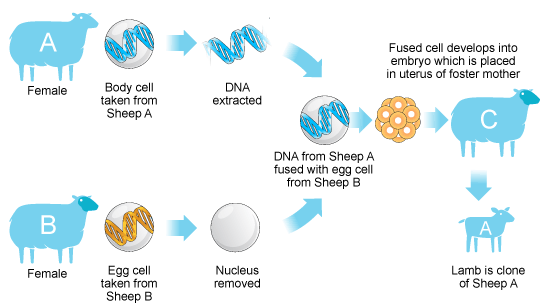
The diagram shows the process by which sheep embryos are cloned.
Summarise the information by selecting and reporting the main features.
Write at least 150 words.
練習問題に出た単語
関連する単語
この練習に関連付けられた語彙はありません
文法の修正と詳細なスコアレポート付きでエッセイを採点してもらいましょう。
assignment
プレミアム ライティング レビューを受ける
ライティングレビューのサンプル
スコア概要
AI レビュー
評価基準ごとのフィードバック
良い点
- プロセスの概要がはっきり示されています。
- リサイクルのサイクルの、主な始まりと終わりをカバーしています。
- プロセスの重要な段階のほとんどが含まれています。
概要は役に立ち、見つけやすいです。“Overall, recycling plastic is a six-step process” という文は、段階の数を読み手にはっきり伝えています。また、“starts from the pick-up of sorted waste and ends with the production of new goods.” で、最初と最後の段階も示しています。プロセスのレポートには図全体のはっきりした要約が必要なので、これは課題によく合っています。
本文の段落でも、いくつかの重要な段階が説明されています。例えば、学習者は回収、輸送、保管、分別、検査、洗浄、細断、出荷、新しい製品の製造に触れています。これらの点から、書き手がプロセスの全体像を理解していて、プラスチックの主な流れを見落としていないことが分かります。
改善点- プロセスの一部の詳細が抜けているか、十分にはっきりしていません。
- いくつかの段階が、急いで一緒にまとめられています。
- 加えられた考えの1つは、図の一部として示されているものではありません。
レポートは主なプロセスをカバーしていますが、十分に説明されていない段階もあります。例えば、“it is cleaned with environmentally safe substances and chopped into small particles” は、2つの段階をとても急いでまとめています。元のプロセスでは、洗浄の後に材料が細かく砕かれたプラスチックになり、それから箱詰めされて再び販売されます。学習者は主な考えを示していますが、途中の展開がかなり短いです。
もう1つの点として、“plastic masses are shipped in boxes” は少し分かりにくいです。図では小さなプラスチック片や加工されたプラスチックが箱詰めされているので、この表現では何が送られるのかを十分に説明できていません。より分かりやすい文は、“The chopped and cleaned plastic is then packed in boxes and sent to another factory.” です。
最後の文は、“And that is when the cycle begins again, with used products going to waste.” と述べています。この考えは論理的に聞こえますが、課題がはっきり求めているものではありません。プロセスの説明では、図が示していることだけを報告する方が安全です。より良い終わり方は、“These new products are then sold on the market.” です。
改善のための練習- 最初の段階、最後の段階、段階の数を入れた、はっきりした概要文を1つ書く練習をしましょう。
- 短いプロセスの段階を、完全な文に広げる練習をしましょう。
- 各文を図と照らし合わせて確認し、図に示されていない考えを取り除く練習をしましょう。
1つ目の練習では、このモデルを使いましょう:“Overall, the process has six stages, beginning with collection and ending with the sale of new plastic products.” そして、ほかの図についても新しいバージョンを3つ作りましょう。
2つ目の練習では、“cleaned and chopped” のような短い1行を選び、2つのステップに分けましょう:“Next, the plastic is washed with safe soap and water. After that, it is chopped into tiny pieces.” こうすると、各段階をより十分に示すことができます。
3つ目の練習では、図からチェックリストを作りましょう。書き終えたら、「図に見える段階だけを書いたか」と自分に問いかけます。文が余分な考えを加えていたら、書き直しましょう。この課題では、最後の文を “The new goods are finally sold to consumers.” に置き換えます。
文法の幅と正確さ
良い点
- 基本的な文の文法をよくコントロールしています。
- プロセスの説明に、受動態がうまく使われています。
- 文の構造に、ある程度のバリエーションがあります。
単純な文でも複雑な文でも、文法が正確なことが多いです。例えば、“The waste is then transported by a truck to the factory's warehouse” は正しく、プロセスのレポートにふさわしい文です。プロセスの課題では受動態が必要になることが多く、学習者はここでそれを自然に使っています。
構造もうまく組み合わされています。“Once the plastic waste has been thoroughly inspected, it is cleaned with environmentally safe substances and chopped into small particles” という文は、時を表す節をうまく使っています。このおかげで文章がよりコントロールされた印象になり、基本的な文の形だけではないことが分かります。
改善点- 語形や文の組み立てに、いくつか文法の間違いがあります。
- いくつかの表現は、文法的に自然ではありません。
- 1つの文の始め方が、避けられるはずのつなぎの問題を生んでいます。
最初の文には文法の問題があります:“illustrates the behind the scenes of plastic renewance cycle.” “illustrates” の後の表現が、正しく組み立てられていません。“The behind the scenes of” はここでは自然な構造ではなく、“renewance cycle” は間違った語形を使っています。より良い文は、“The diagram illustrates the plastic recycling process.” です。
“which starts from the pick-up of sorted waste.” にも、小さな文法の問題があります。英語では、この文では “starts from” よりも “starts with” の方が自然です。そのため、より良い文は “which starts with the collection of sorted waste.” です。このような小さな文法の選択が、正確さに影響します。
最後の段落は、“And that is when the cycle begins again.” で始まっています。“And” で始めることはスタイルによっては可能ですが、ここではIELTSのTask 1として、文の正式さとコントロールが弱く聞こえます。よりスムーズな選択肢は、“The cycle then ends with the sale of these products.” です。
改善のための練習- 不自然な表現を、簡単なプロセスの文に書き直す練習をしましょう。
- 図の各段階について、受動態の文を書く練習をしましょう。
- “starts with”、“is then”、“is finally” のような、よく使うプロセスのパターンを練習しましょう。
1つ目の練習では、間違った表現を選んで書き直しましょう。例:“the behind the scenes of plastic renewance cycle” を “the process of plastic recycling.” に変えます。自分の文章から5つの表現を選んで、同じようにしましょう。
2つ目の練習では、各ステップについて受動態の文を1つずつ書きましょう。例:“The plastic is collected.” “It is stored in a warehouse.” “It is chopped into small pieces.” こうすると、Task 1の文法の正確さが身につきます。
3つ目の練習では、短いテンプレートのリストを作りましょう:“The process starts with… Next, … is transported… After that, … is cleaned… Finally, … is sold.” そして、パターンが自然に感じられるまで、新しい図でこのテンプレートを使いましょう。
語彙力(語彙)
良い点
- 学習者は、リサイクルのプロセスに関するトピックの言葉を十分に使っています。
- 語彙に変化をつけようとしています。
- いくつかの言葉の選び方は、課題によく合っています。
文章には、“recycling”、“sorted waste”、“warehouse”、“inspected”、“chopped”、“particles”、“shipped”、“manufacturing” など、このトピックに役立つ言葉が含まれています。これらの言葉はプラスチックのリサイクルのプロセスをはっきり説明するのに役立ち、課題に十分な語彙があることを示しています。
学習者は、毎回同じ名詞を繰り返すことも避けています。例えば、文章では “plastic waste”、“stored waste”、“new goods” が使われています。これはある程度の幅を示していて、IELTSのTask 1で役に立ちます。
改善点- いくつかの語彙の選び方が、間違っているか不自然です。
- いくつかの言葉が、プロセスを分かりにくくしています。
- 簡単な言葉の方がうまく伝わる場面で、珍しい言い方を使いすぎているところがあります。
“plastic renewance cycle” という表現は、弱い言葉の選び方の一番はっきりした例です。“Renewance” は、ここでは正しい言葉ではありません。作られた言葉か、間違った語形のように聞こえます。IELTSのTask 1では、珍しい言葉よりも正確で簡単な言葉の方が良いです。分かりやすい言い換えは、“plastic recycling process.” です。
“behind the scenes” という表現も、このレポートにはあまり合っていません。これは日常会話でよく使われる表現で、プロセスの説明で使うものではありません。そのため、文の正確さが下がって聞こえます。より良い選択肢は、“The diagram shows how plastic is recycled.” です。
もう1つの分かりにくい表現は、“plastic masses.” です。これでは、図の中の材料をはっきり説明できていません。読み手には、これが液体のプラスチックなのか、大きな塊なのか、小さな破片なのかが分からないかもしれません。より正確な表現は、“the cleaned plastic pieces” または “the plastic grind.” です。
学習者は、簡単な表現の方が力強い場面で、長い表現を使うことがあります。例えば、“environmentally safe substances” は理解できますが、図に石けんと水が示されているなら、“soap and water” の方が正確です。この課題では、たいてい広い意味の言葉よりも正確な言葉の方が役に立ちます。
改善のための練習- よくあるプロセスの課題のための、小さな単語リストを作りましょう。
- 不自然な言葉を、簡単で正確な言葉に置き換える練習をしましょう。
- 各名詞が材料や動作をはっきり表すように、言葉を図と結びつけましょう。
1つ目の練習では、collect, transport, store, sort, inspect, wash, chop, pack, manufacture, sell のような言葉のリストを作りましょう。それぞれの言葉を使って、文を1つずつ書きます。
2つ目の練習では、自分のレポートの表現を書き直しましょう。“renewance cycle” を “recycling process” に、“behind the scenes” を “shows” に、“plastic masses” を “plastic pieces” に変えます。これで、より安全な言葉を選ぶ練習ができます。
3つ目の練習では、図の各段階を見て、正確な名詞1つと正確な動詞1つで名前をつけましょう。例:“warehouse - store”、“machine - chop”、“boxes - pack”。そして、それらの言葉を使って、短いレポートを1つ書き上げましょう。
一貫性と結束性
良い点
- レポート全体の構成がはっきりしています。
- 段階は、おおむね正しい順序で示されています。
- 書き手は、読み手を導くためにつなぎの言葉を使っています。
導入、概要、本文の詳細があるので、文章は分かりやすいです。これはIELTSのTask 1にとって良い構成です。読み手は、図が何についてのものかをすぐに理解し、それからプロセスを最初から最後まで追うことができます。
考えの順序も、おおむねはっきりしています。“Everything starts with”、“then”、“When the time comes”、“Once”、“After the following steps” のような表現が、読み手をプロセスに沿って進ませています。これらの合図は出来事の順序を支えていて、フローチャートのレポートでは大切です。
改善点- いくつかのつなぎの表現が、分かりにくいか、うまく選ばれていません。
- いくつかの段階が一緒にまとめられているので、流れが急いでいるように感じられます。
- 最後の文が、レポートの終わり方を弱くしています。
“After the following steps” という表現は分かりにくいです。どのステップが終わったのかを、読み手にはっきり伝えていません。より分かりやすいつなぎ方は、“After the plastic has been cleaned and chopped, it is shipped in boxes…” です。良い結束性には、前の段階をはっきり指すつなぎが必要です。
特に中盤では、いくつかの段階が1つの文に詰め込まれています。例えば、検査、洗浄、細断がすべて、とても近くに置かれています。このため、プロセスが図よりも速く進んでいるように感じられます。Task 1では、重要な段階を分けると役に立つことが多いです。次のように書くことができます:“Next, the plastic is inspected by hand. It is then cleaned. After that, it is chopped into small pieces.”
“the cycle begins again, with used products going to waste.” を加えているので、終わり方の効果が弱くなっています。これは報告の主な流れから離れ、最後に焦点を変えてしまっています。より力強い終わり方は、図に示された最後の段階にとどまるものです:“Finally, the new products are sold to consumers.”
改善のための練習- 各段階について、時間の順序を表す簡単なつなぎの言葉を使う練習をしましょう。
- 長いプロセスの文を、1ステップずつの短い文に分ける練習をしましょう。
- 図の最後の段階で止まる、すっきりした終わり方を書く練習をしましょう。
1つ目の練習では、つなぎの言葉を順番にリストにしましょう:“First”、“Next”、“Then”、“After that”、“Finally”。これらを使って、1つの文に1つの主な動作が入るように、このレポートを書き直しましょう。
2つ目の練習では、自分のレポートから長い文を1つ選び、3つの短い文に分けましょう。例えば、検査、洗浄、細断についての文を、3つの別々のステップに分けます。
3つ目の練習では、図だけに合った最後の文を3種類書きましょう。例:“Finally, the recycled plastic is made into new products and sold.” こうすると、レポートをはっきり、まっすぐに終えられるようになります。
文法修正
Overall, recycling plastic is a six-step process, which starts from the pick-up of sorted waste and ends with the production of new goods made out of recycled plastic.
Everything starts with the collection of sorted materials by a company specializing in plastic recycling. The waste is then transported by a truck to the factory's warehouse, in which it is stored until the next stage. When the time comes, stored waste is sent out for final sorting. Once the plastic waste has been thoroughly inspected, it is cleaned with environmentally safe substances and chopped into small particles.
After the following steps, the plastic masses are shipped in boxes to partner companies that use the cut up pieces for manufacturing new products that will later be sold to consumers. And that is when the cycle begins again, with used products going to waste.
Overall, recycling plastic is a six-step process, which starts from with the pick-up of sorted waste and ends with the production of new goods made out of recycled plastic.
Everything starts with the collection of sorted materials by a company specializing in plastic recycling. The waste is then transported by a truck to the factory's warehouse, in which it is stored until the next stage. When the time comes, stored waste is sent out for final sorting. Once the plastic waste has been thoroughly inspected, it is cleaned with environmentally safe substances and chopped into small particles.
After the following steps, the plastic masses are shipped in boxes to partner companies that use the cut up cut-up pieces for manufacturing new products that will later be sold to consumers. And that is when the cycle begins again, with used products going to waste.
改善の提案
Overall, plastic recycling plastic is a six-step process, which starts six-stage process that begins with the pick-up collection of sorted waste and ends with the production of new goods made out of from recycled plastic.
Everything The process starts with the collection of when a specialist recycling company collects sorted materials by a company specializing in plastic recycling. waste. The waste is then transported by a truck to the factory's a warehouse, in which where it is stored until the next stage. When processing begins, the time comes, stored waste is sent out for final sorting. Once After the plastic waste has been thoroughly carefully inspected, it is cleaned with environmentally safe substances and then chopped into small particles. pieces.
After In the following steps, the final stage, these plastic masses pieces are shipped in packed into boxes and delivered to partner companies. These companies that use the cut-up pieces for manufacturing recycled material to manufacture new products that will later be products, which are then sold to consumers. And that is when Once these products are used and discarded, the cycle begins again, with used products going to waste. again.


cancel 文法の修正
| 解答 | 解説 |
|---|---|
| behind-the-scenes | 名詞の前で複合形容詞として働いているので、ハイフンでつなぐべきです('behind-the-scenes of plastic renewance cycle')。 |
cancel 文法の修正
| 解答 | 解説 |
|---|---|
| with | プロセスに関わる道具や材料を正しく示すために、'from' ではなく 'with' を使います。 |
cancel 文法の修正
| 解答 | 解説 |
|---|---|
| cut-up | 名詞の前では、ハイフンでつないだ複合形容詞を使います:"cut-up pieces"。名詞がなければ "cut up" は句動詞ですが、ここでは pieces を説明しているので、ハイフンが必要です。 |
cancel 改善の提案
| 解答 | 解説 |
|---|---|
| recycling cycle for plastic. | この言い方の方が自然で正確です。ここでは "Behind-the-scenes" は必要なく、"renewance" は標準的な英語ではありません。そのため、"recycling cycle for plastic" とすると、説明しているプロセスがはっきり伝わります。 |
cancel 改善の提案
| 解答 | 解説 |
|---|---|
| plastic | "plastic" を加えると、表現が完全になり、主題がはっきりします。どのようなリサイクルのサイクルについて話しているのかを特定するために、文にはこの言葉が必要です。 |
cancel 改善の提案
| 解答 | 解説 |
|---|---|
| 周りの文ですでにプラスチックのリサイクルに触れているので、繰り返しを避けるためにこの言葉を削除しています。削除すると、文がよりスムーズになり、むだが少なくなります。 |
cancel 改善の提案
| 解答 | 解説 |
|---|---|
| six-stage process that begins | "Six-stage process" は、フローチャートの順序を説明する、より正式で自然な言い方です。また、この文脈では "which starts" よりも "That begins" の方がスムーズに読めます。 |
cancel 改善の提案
| 解答 | 解説 |
|---|---|
| collection | "Collection" は、リサイクルのプロセスでごみを集めることを表す、より正確で正式な名詞です。プロセスの説明のスタイルにより合っています。 |
cancel 改善の提案
| 解答 | 解説 |
|---|---|
| from | ここでは "From" が正しい前置詞です。この文で移動や出どころを説明するときは、この方が自然です。 |
cancel 改善の提案
| 解答 | 解説 |
|---|---|
| The process | "The process" は、あいまいな言葉の "Everything" よりも具体的で適切です。説明している順序を、よりうまく導入できます。 |
cancel 改善の提案
| 解答 | 解説 |
|---|---|
| when a specialist recycling company collects | この変更で、表現がより分かりやすい能動態の構造になります。誰が動作をするのかが示され、プロセスの最初の段階が理解しやすくなります。 |
cancel 改善の提案
| 解答 | 解説 |
|---|---|
| 修正した言い方ですでに会社とその動作が示されているので、この表現は余分になり、削除しています。削除すると分かりやすくなり、繰り返しも避けられます。 |
cancel 改善の提案
| 解答 | 解説 |
|---|---|
| waste. | リサイクルのプロセスでは、"Waste" が正しく、より正確な言葉です。ここでは "Recycling" だけでは不完全で、文の意味に合いません。 |
cancel 改善の提案
| 解答 | 解説 |
|---|---|
| この文脈では、冠詞 "a" がない方が表現が自然に読めるので、ここでは必要ありません。 |
cancel 改善の提案
| 解答 | 解説 |
|---|---|
| a | ここでは "The factory's" は具体的すぎて不自然です。"a" に変えると、表現がより一般的になり、文法的にもスムーズになります。 |
cancel 改善の提案
| 解答 | 解説 |
|---|---|
| where | 場所を指すときは、"in which" よりも "Where" の方が分かりやすく自然です。 |
cancel 改善の提案
| 解答 | 解説 |
|---|---|
| processing begins, | この表現は、話の移り変わりをはっきりさせ、プロセスの次の段階の始まりを説明するのに役立ちます。 |
cancel 改善の提案
| 解答 | 解説 |
|---|---|
| この表現は余分なので、削除すると文がより簡潔で、まっすぐになります。 |
cancel 改善の提案
| 解答 | 解説 |
|---|---|
| この文脈では "out" という言葉は必要なく、削除すると表現がより自然になります。 |
cancel 改善の提案
| 解答 | 解説 |
|---|---|
| After | プロセスの説明における出来事の順序によりよく合うので、ここでは "After" の方が適切です。 |
cancel 改善の提案
| 解答 | 解説 |
|---|---|
| この言葉は繰り返しになっているので、むだを避けて流れを良くするために削除できます。 |
cancel 改善の提案
| 解答 | 解説 |
|---|---|
| carefully | "Carefully" は動作をより自然で正確に表すので、こちらの方が合っています。 |
cancel 改善の提案
| 解答 | 解説 |
|---|---|
| then | "Then" は、順序の中で1つのステップを次のステップとはっきりつなぐので、論理的な流れが良くなります。 |
cancel 改善の提案
| 解答 | 解説 |
|---|---|
| pieces. | 細断した後のプラスチックの小さな部分には、“Pieces” の方が自然で正確な言葉です。一方、この文脈では “particles” はあまり適切に聞こえません。 |
cancel 改善の提案
| 解答 | 解説 |
|---|---|
| In | “In” を使うと、最後の段階の説明へよりスムーズに移れます。一方、ここでは “After” は不自然です。 |
cancel 改善の提案
| 解答 | 解説 |
|---|---|
| final stage, these | この置き換えでは、最後の段階と関係する材料を直接指しているので、文がより具体的になり、文法的にも分かりやすくなります。 |
cancel 改善の提案
| 解答 | 解説 |
|---|---|
| pieces | 細断したプラスチックには、“Pieces” の方が適切です。一方、ここでは “masses” はあいまいで不自然です。 |
cancel 改善の提案
| 解答 | 解説 |
|---|---|
| packed into | 輸送のために材料を箱に入れることは、あまり正確でない “shipped in” よりも、“Packed into” の方がうまく表せます。 |
cancel 改善の提案
| 解答 | 解説 |
|---|---|
| and delivered | この追加で、箱詰めされた材料が別の場所に送られることが示され、動作が完全になります。 |
cancel 改善の提案
| 解答 | 解説 |
|---|---|
| companies. These | この追加で、出荷が提携企業とつながり、次の文がスムーズに導入されます。 |
cancel 改善の提案
| 解答 | 解説 |
|---|---|
| この言葉は必要なく、文を回りくどくしているので、削除すると分かりやすくなります。 |
cancel 改善の提案
| 解答 | 解説 |
|---|---|
| recycled material to manufacture | “Recycled material” は、加工されたプラスチックを表す、より正確で正式な言い方です。また、“to manufacture” によって表現の文法が良くなります。 |
cancel 改善の提案
| 解答 | 解説 |
|---|---|
| products, which are then | この変更では関係節を使うことで、文の流れが良くなり、未来形の不自然な繰り返しも避けられます。 |
cancel 改善の提案
| 解答 | 解説 |
|---|---|
| Once these products are used and discarded, | この修正では、サイクルがいつ再び始まるのかをはっきり説明し、より自然で正式な言葉づかいを使っています。 |
cancel 改善の提案
| 解答 | 解説 |
|---|---|
| again. | 追加の詳細は余分なので、短くすると終わり方がすっきりして簡潔になります。 |
基準別スコアレポート
課題の達成 6/9
• 情報を適切に選んで、概要を示しています
• 主な特徴や要点を示して適切に強調していますが、詳細が無関係、不適切、または不正確なことがあります
| スコア | 総合レポート |
|---|---|
| 9 | • 課題のすべての部分に完全に対応しています • 関連性があり、十分に広げられ、しっかり裏付けられた考えで、質問に答える十分に展開された立場を示しています |
| 8 | • 課題のすべての部分に十分に対応しています • 関連性があり、広げられ、裏付けられた考えで、質問によく展開された回答を示しています |
| 7 | • 課題の要件を満たしています • 主な傾向、違い、または段階について、はっきりした概要を示しています • 主な特徴や要点をはっきり示して強調していますが、もっと十分に広げることができます |
| 6 | • 課題の要件に対応しています • 情報を適切に選んで、概要を示しています • 主な特徴や要点を示して適切に強調していますが、詳細が無関係、不適切、または不正確なことがあります |
| 5 | • おおむね課題に対応していますが、ところどころ形式が不適切なことがあります • はっきりした概要がないまま、詳細を機械的に並べています。説明を裏付けるデータがないことがあります • 主な特徴や要点を示していますが、十分にカバーしていません。詳細に集中しすぎる傾向があるかもしれません |
| 4 | • 課題に対応しようとしていますが、主な特徴や要点のすべてをカバーしていません。形式が不適切なことがあります • 主な特徴や要点と詳細を混同していることがあります。一部が分かりにくい、無関係、または繰り返しになっていることがあります |
| 3 | • 課題のどの部分にも十分に対応していません • はっきりした立場を示していません • 考えが少なく、そのほとんどが展開されていないか、 無関係です |
| 2 | • 課題にほとんど答えていません • 立場を示していません • 1つか2つの考えを示そうとしているかもしれませんが、展開がありません |
| 1 | • 回答が課題とまったく関係ありません |
| 0 | • 受験していません • どのような形でも課題に取り組んでいません • 完全に暗記した回答を書いています |
文法の幅と正確さ 6/9
• 文法と句読点にいくつか間違いがありますが、それが
コミュニケーションを妨げることはめったにありません
| スコア | 総合レポート |
|---|---|
| 9 | • 幅広い構文を、完全な柔軟さと正確さで使っています。まれに小さな間違いがありますが、それは「うっかりミス」にすぎません |
| 8 | • 幅広い構文を使っています • 文の大部分に間違いがありません • 間違いや不適切な表現は、ごくたまにしかありません |
| 7 | • さまざまな複雑な構文を使っています • 間違いのない文を頻繁に書いています • 文法と句読点をよくコントロールしていますが、いくつか間違いがあることもあります |
| 6 | • 単純な文と複雑な文の形を組み合わせて使っています • 文法と句読点にいくつか間違いがありますが、それが コミュニケーションを妨げることはめったにありません |
| 5 | • 限られた範囲の構文しか使っていません • 複雑な文を試みていますが、単純な文よりも正確さが低くなりがちです • 文法の間違いが頻繁にあり、句読点に誤りがあるかもしれません。間違いによって、読み手が理解しにくくなることがあります |
| 4 | • ごく限られた範囲の構文しか使っておらず、従属節はまれにしか使っていません • 正確な構文もありますが、間違いが大部分を占め、句読点にもよく誤りがあります |
| 3 | • 文の形を試みていますが、文法と句読点の間違いが大部分を占め、意味がゆがんでいます |
| 2 | • 暗記した表現以外では、文の形を使うことができません |
| 1 | • 文の形をまったく使うことができません |
| 0 | • 受験していません • どのような形でも課題に取り組んでいません • 完全に暗記した回答を書いています |
語彙力(語彙) 6/9
• あまり一般的でない語彙を使おうとしていますが、いくらか不正確なところがあります
• スペルや語形成にいくつか間違いがありますが、それが
コミュニケーションを妨げることはありません
| スコア | 総合レポート |
|---|---|
| 9 | • 幅広い語彙を使い、語彙の特徴をとても自然かつ高度にコントロールしています。まれに小さな間違いがありますが、それは「うっかりミス」にすぎません |
| 8 | • 幅広い語彙を使っています • 流暢かつ柔軟に、正確な意味を伝えています • あまり一般的でない語彙を上手に使っていますが、言葉の選び方やコロケーションに、ときどき不正確なところがあるかもしれません • スペルや 語形成の間違いは、まれにしかありません |
| 7 | • ある程度の柔軟さと正確さを持たせるのに十分な範囲の語彙を使っています • スタイルやコロケーションをある程度意識して、あまり一般的でない語彙を使っています • 言葉の選び方、スペル、語形成に、ときどき間違いがあるかもしれません |
| 6 | • 課題に対して適切な範囲の語彙を使っています • あまり一般的でない語彙を使おうとしていますが、いくらか不正確なところがあります • スペルや語形成にいくつか間違いがありますが、それが コミュニケーションを妨げることはありません |
| 5 | • 限られた範囲の語彙を使っていますが、課題にはぎりぎり足りています • スペルや語形成に目立つ間違いがあり、読み手が理解しにくくなることがあります |
| 4 | • 基本的な語彙しか使っておらず、同じ言葉を繰り返したり、課題に合わない言葉を使ったりすることがあります • 語形成やスペルのコントロールが限られています。間違いによって、読み手に負担がかかることがあります |
| 3 | • ごく限られた範囲の単語や表現しか使っておらず、語形成やスペルのコントロールもごく限られています • 間違いによって、 メッセージが大きくゆがむことがあります |
| 2 | • 語彙の範囲が極めて限られています。語形成やスペルのコントロールが、ほぼまったくありません |
| 1 | • いくつかの単語を、ばらばらに使えるだけです |
| 0 | • 受験していません • どのような形でも課題に取り組んでいません • 完全に暗記した回答を書いています |
一貫性と結束性 6/9
• つなぎの表現を効果的に使っていますが、文の中や文と文の間の結束性に誤りがあったり、機械的だったりすることがあります
• 指示語などの参照を、いつもはっきり
適切に使っているとは限りません
段落分けをしていますが、いつも
論理的とは限りません
| スコア | 総合レポート |
|---|---|
| 9 | • 結束性を、まったく目立たない自然な形で使っています • 段落分けを上手に行っています |
| 8 | • 情報と考えを論理的な順序で並べています • 結束性のすべての面をうまく扱っています • 段落分けを十分かつ適切に行っています |
| 7 | • 情報と考えを論理的に整理しています。全体を通してはっきりした流れがあります • さまざまなつなぎの表現を適切に使っていますが、 使い方が少なすぎたり多すぎたりすることがあります。各段落の中で、 はっきりした中心となるトピックを示しています |
| 6 | • 情報と考えを一貫性を持って並べていて、全体にはっきりした流れがあります • つなぎの表現を効果的に使っていますが、文の中や文と文の間の結束性に誤りがあったり、機械的だったりすることがあります • 指示語などの参照を、いつもはっきり 適切に使っているとは限りません 段落分けをしていますが、いつも 論理的とは限りません |
| 5 | • ある程度整理して情報を示していますが、 全体の流れが欠けていることがあります • つなぎの表現の使い方が不十分、不正確、または多すぎます • 参照や言い換えが足りないので、繰り返しが多くなることがあります • 段落に分けて書いていないか、段落分けが不十分なことがあります |
| 4 | • 情報と考えを示していますが、一貫性を持って並べられておらず、 回答にはっきりした流れがありません • 基本的なつなぎの表現をいくつか使っていますが、不正確だったり、繰り返しが多かったりすることがあります • 段落に分けて書いていないか、 段落の使い方が分かりにくいことがあります |
| 3 | • 考えを論理的に整理していません • ごく限られた範囲のつなぎの表現しか使っておらず、使っている表現も 考えの間の論理的な関係を示していないことがあります |
| 2 | • 構成の要素を ほとんどコントロールできていません |
| 1 | • どのようなメッセージも伝えられていません |
| 0 | • 受験していません • どのような形でも課題に取り組んでいません • 完全に暗記した回答を書いています |
レビューを依頼するにはアカウントを作成してください。
The diagram shows the process by which sheep embryos are cloned.
Summarise the information by selecting and reporting the main features.
Write at least 150 words.
サンプル文法添削
The professor explain that the Chevalier rich in assets, but poor in the cash, while he lived in Switzerland and had to occasionally borrow funds while waiting for its assets to selling. Accordingly, to the professor, being low on cash fund is not same as being financially poors. However, in reading someone who borrowing large of amounts of money could not be wealth, therefore the Chevalier must have lied his wealthy life in Switzerland.
The skepticism regards the reliability of the recorded conversations with Voltaire is challenging by the professor as well. She explains that, due to habit of recording each conversation with Voltaire immediately afterward, the Chevalier was able to recall those discussions in detail even after several years had passing.
Finally, the professor refute the idea briber was how the Chevalier got out of prison. She point out that because even the other prisoners who had better resources were unable to successfully bribe their way out of prison it was very unlikely that bribery was how he escaped. Also, she notes the existences of government papers recording repair work done to the Chevalier's prison cell ceiling as strong evidence that his escaping from the prison was accurately recorded.
The professor explain explains that the Chevalier was rich in assets, but poor in the cash, while he lived in Switzerland and had to occasionally borrow funds while waiting for its his assets to selling. Accordingly, sell. According to the professor, being low on cash fund funds is not the same as being financially poors. poor. However, in reading the reading, someone who borrowing borrows large of amounts of money could not be wealth, wealthy, therefore the Chevalier must have lied about his wealthy life in Switzerland.
The skepticism regards regarding the reliability of the recorded conversations with Voltaire is challenging challenged by the professor as well. She explains that, due to the habit of recording each conversation with Voltaire immediately afterward, the Chevalier was able to recall those discussions in detail even after several years had passing. passed.
Finally, the professor refute refutes the idea briber that bribery was how the Chevalier got out of prison. She point points out that because even the other prisoners who had better resources were unable to successfully bribe their way out of prison prison, it was very unlikely that bribery was how he escaped. Also, she notes the existences existence of government papers recording repair work done to the Chevalier's prison cell ceiling as strong evidence that his escaping escape from the prison was accurately recorded.
The professor explains that the Chevalier was rich in assets, but poor in cash, while he lived in Switzerland and had to occasionally borrow funds while waiting for his assets to sell. According to the professor, being low on cash funds is not the same as being financially poor. However, in the reading, someone who borrows large amounts of money could not be wealthy, therefore the Chevalier must have lied about his wealthy life in Switzerland.
The skepticism regarding the reliability of the recorded conversations with Voltaire is challenged by the professor as well. She explains that, due to the habit of recording each conversation with Voltaire immediately afterward, the Chevalier was able to recall those discussions in detail even after several years had passed.
Finally, the professor refutes the idea that bribery was how the Chevalier got out of prison. She points out that because even the other prisoners who had better resources were unable to successfully bribe their way out of prison, it was very unlikely that bribery was how he escaped. Also, she notes the existence of government papers recording repair work done to the Chevalier's prison cell ceiling as strong evidence that his escape from the prison was accurately recorded.
cancel Grammar Correction
| 解答 | 解説 |
|---|---|
| doubts | The plural form 'doubts' is needed here because there are multiple uncertainties being discussed. |
cancel Grammar Correction
| 解答 | 解説 |
|---|---|
| written | The correct past participle of 'write' is 'written'. |
cancel Grammar Correction
| 解答 | 解説 |
|---|---|
| reading, | A comma is needed after 'reading' to separate the two independent clauses. |
cancel Grammar Correction
| 解答 | 解説 |
|---|---|
| clarifies | The third person singular form 'clarifies' is needed to agree with the singular subject 'professor'. |
cancel Grammar Correction
| 解答 | 解説 |
|---|---|
| explains | The third person singular form 'explains' is needed to agree with the singular subject 'professor'. |
cancel Grammar Correction
| 解答 | 解説 |
|---|---|
| was | The verb 'was' is needed to form the past continuous tense. |
cancel Grammar Correction
| 解答 | 解説 |
|---|---|
| The article 'the' is not needed before 'assets'. |
cancel Grammar Correction
| 解答 | 解説 |
|---|---|
| his | The possessive pronoun 'his' is needed to refer back to 'the Chevalier'. |
cancel Grammar Correction
| 解答 | 解説 |
|---|---|
| sell. According | The verb 'sell' is needed here, and 'According' should start a new sentence. |
cancel Grammar Correction
| 解答 | 解説 |
|---|---|
| funds | The plural form 'funds' is needed here because it refers to money in general. |
cancel Grammar Correction
| 解答 | 解説 |
|---|---|
| the | The article 'the' is needed before 'Chevalier'. |
cancel Grammar Correction
| 解答 | 解説 |
|---|---|
| poor. | The correct adjective form is 'poor'. |
cancel Grammar Correction
| 解答 | 解説 |
|---|---|
| the reading, | The article 'the' is needed before 'reading', and a comma is needed to separate the two independent clauses. |
cancel Grammar Correction
| 解答 | 解説 |
|---|---|
| borrows | The present simple tense 'borrows' is needed to describe a general situation. |
cancel Grammar Correction
| 解答 | 解説 |
|---|---|
| The preposition 'of' is not needed here. |
cancel Grammar Correction
| 解答 | 解説 |
|---|---|
| wealthy, | The adjective 'wealthy' is needed to describe 'the Chevalier'. |
cancel Grammar Correction
| 解答 | 解説 |
|---|---|
| about | The preposition 'about' is needed to introduce the topic of the sentence. |
cancel Grammar Correction
| 解答 | 解説 |
|---|---|
| regarding | The preposition 'regarding' is needed to introduce the topic of the sentence. |
cancel Grammar Correction
| 解答 | 解説 |
|---|---|
| challenged | The past participle 'challenged' is needed to form the passive voice. |
cancel Grammar Correction
| 解答 | 解説 |
|---|---|
| the | The article 'the' is needed before 'Chevalier'. |
cancel Grammar Correction
| 解答 | 解説 |
|---|---|
| passed. | The past participle 'passed' is needed to form the past perfect tense. |
cancel Grammar Correction
| 解答 | 解説 |
|---|---|
| refutes | The third person singular form 'refutes' is needed to agree with the singular subject 'professor'. |
cancel Grammar Correction
| 解答 | 解説 |
|---|---|
| that bribery | The noun 'bribery' is needed to refer to the act of giving bribes. |
cancel Grammar Correction
| 解答 | 解説 |
|---|---|
| points | The third person singular form 'points' is needed to agree with the singular subject 'she'. |
cancel Grammar Correction
| 解答 | 解説 |
|---|---|
| prison, | A comma is needed after 'prison' to separate the two independent clauses. |
cancel Grammar Correction
| 解答 | 解説 |
|---|---|
| existence | The singular form 'existence' is needed because it refers to one specific thing. |
cancel Grammar Correction
| 解答 | 解説 |
|---|---|
| escape | The noun 'escape' is needed to refer to the act of escaping. |